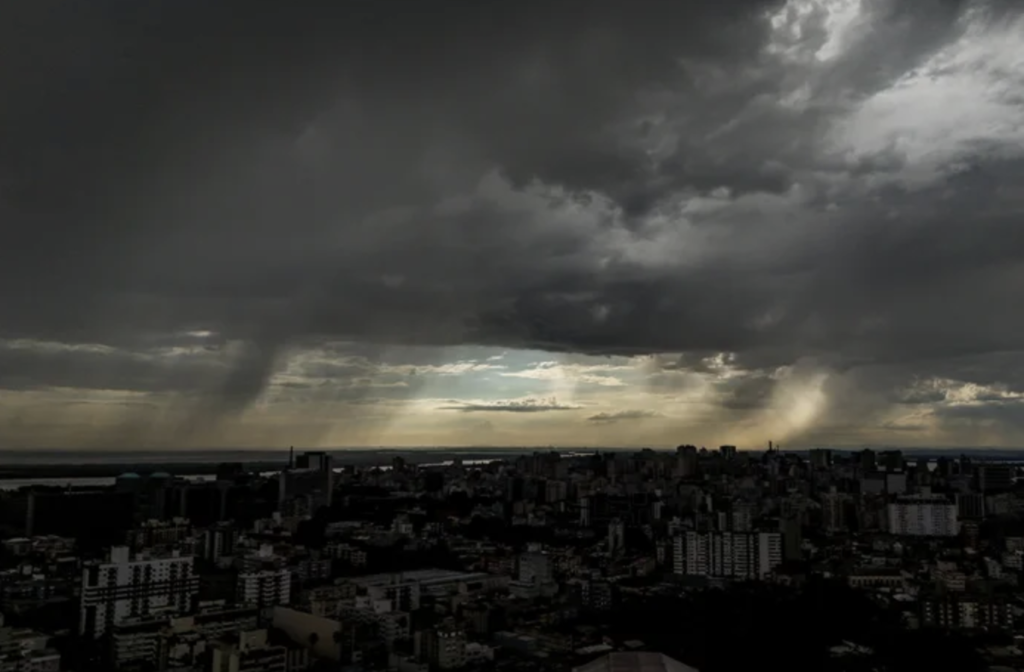
In August 2026, a meteorological event of unprecedented intensity, categorized as a "bomb cyclone" or explosive cyclogenesis, struck the southern and southeastern regions of Brazil. This event, which paralyzed major infrastructure, including the Port of Santos—the heartbeat of Latin American trade—highlights the growing vulnerability of global supply chains to extreme climate events. As the world grapples with shifting weather patterns, this report provides a deep dive into the technical, economic, and social consequences of the storm, offering critical insights for global stakeholders.

 The Meteorological Event: Understanding the "Bomb Cyclone"

An extratropical cyclone of this magnitude is not merely a strong storm; it is the product of rapid barometric pressure drops. Defined technically as a system where central pressure falls by at least 24 millibars within 24 hours, the August 7 event represents a significant escalation in regional weather volatility.

Meteorologists attribute this to the collision of cold air masses surging from the Antarctic with warm, moisture-rich air from the interior of the continent, fueled by unusually warm sea-surface temperatures in the Atlantic. This convergence created the conditions for a violent, self-sustaining atmospheric machine that produced wind gusts exceeding 100 km/h across vast swaths of the Brazilian coast.

Ground Zero: The Human and Social Cost in Rio Grande do Sul
The state of Rio Grande do Sul, already sensitized by recent historical climate events, faced the initial brunt of the cyclone. Reports from local civil defense agencies indicated widespread destruction of residential areas, with fallen trees, destroyed power lines, and flooded streets being the norm. The loss of life serves as a stark reminder of the limitations of local infrastructure to withstand winds of this velocity.

Thousands have been displaced, and the disruption of local power grids has led to a cascade of service failures, including water distribution and communication blackouts. The immediate recovery effort involves the deployment of military and civil rescue units to reach isolated communities, while local governments begin the daunting task of quantifying the agricultural and property damage.

The Domino Effect: Impact on Southeastern Infrastructure
The storm's trajectory pushed the cold front toward the densely populated and industrialized Southeast. The most critical impact occurred at the Port of Santos. As the main gateway for Brazilian exports, including soy, coffee, and iron ore, any disruption in Santos sends shockwaves through global commodities markets.

The suspension of navigation and dockside operations due to high winds and rough seas directly impacted the timeline of international shipments. For US-based manufacturers and retailers reliant on these commodities, this event highlights a hidden risk: the over-reliance on a single geographic node that is increasingly exposed to extreme weather.

Climate Change, Extreme Weather, and the "New Normal"
Is this the "new normal"? Climate scientists have long predicted that global warming would intensify the frequency and strength of cyclonic events in the South Atlantic. While Southern Brazil has always experienced seasonal storms, the speed and intensity of recent events suggest that historical climate models may no longer be sufficient for risk assessment.

Urban centers in Brazil, many of which were built without the stringent climate-resilient building codes seen in hurricane-prone areas of the US, face a massive challenge. Infrastructure retrofitting, flood mitigation, and early warning systems are no longer optional—they are an economic necessity for maintaining Brazil’s status as a top-tier global supplier.

Business Implications: Risk Management in an Era of Climate Volatility
For the global investor, the event in Brazil serves as a case study for supply chain resilience. Diversification is no longer just about suppliers; it is about geographic distribution of risk.

Supply Chain Visibility:** Companies must map their dependencies to the facility level. Does your supplier rely on a port that has high historical weather sensitivity?
Climate Insurance:** Traditional insurance may not be enough. Parametric insurance, which triggers payments based on predefined weather thresholds (like wind speed), is becoming an essential tool for mitigating losses from weather-related closures.
**Contingency Planning:** Logistics managers should have pre-approved alternative transport corridors, even if they come at a premium, to hedge against local port closures.

Lessons for the Global Community

The August 2026 event is a call to action. The interdependence of global economies means that a storm in Southern Brazil is not just a Brazilian problem—it is a global supply chain risk. The international community, including US businesses and policymakers, must support and invest in collaborative climate monitoring and infrastructure development. Resilience in the 21st century requires a shift from reactive disaster response to proactive, data-driven climate risk mitigation.